Beers Criteria: What Older Adults Need to Know About Safe Medications
When you're over 65, your body processes drugs differently—and that’s where the Beers Criteria, a widely used list of potentially inappropriate medications for older adults. Also known as the AGS Beers Criteria, it's updated every few years by the American Geriatrics Society to reflect real-world risks and newer research. This isn’t just a checklist for doctors. It’s a tool for patients and families to ask smarter questions about prescriptions that might be doing more harm than good.
The Beers Criteria isn’t about banning drugs—it’s about balance. For example, many seniors still get benzodiazepines for sleep or anxiety, even though they raise fall risk by up to 50%. Or they’re prescribed anticholinergics like diphenhydramine for allergies, unaware that these drugs can blur vision, cause confusion, and even speed up cognitive decline. These aren’t rare mistakes. Studies show nearly one in three older adults takes at least one medication flagged by the Beers Criteria. Meanwhile, the drug interactions in older adults section of the list highlights how common combinations—like NSAIDs with blood pressure meds or anticoagulants with certain antibiotics—can lead to kidney damage, bleeding, or sudden drops in blood pressure. And it’s not just about single pills. It’s about the pile. The more meds someone takes, the higher the chance one will clash with another or overload aging organs.
The elderly medication safety guidelines in the Beers Criteria also point to drugs that seem harmless but aren’t ideal for seniors. Think of long-acting sulfonylureas for diabetes—they can cause dangerous low blood sugar. Or muscle relaxants like cyclobenzaprine, which can make you dizzy and disoriented. The list doesn’t say never use these. It says: understand the risk, check for alternatives, and ask if the benefit still outweighs the danger. That’s where the real power lies—not in fear, but in awareness. You don’t have to accept every script your doctor writes. You can ask: "Is this on the Beers list?" "Is there a safer option?" "What happens if I stop this?"
What you’ll find in the posts below isn’t theory. It’s real stories and clear facts about how aging affects drug metabolism, why some common prescriptions are riskier than others, and how to spot red flags before they become emergencies. From how kidney changes impact blood thinners to why certain painkillers can wreck your heart, these articles give you the language and the logic to take control—not just of your meds, but of your health as you age.
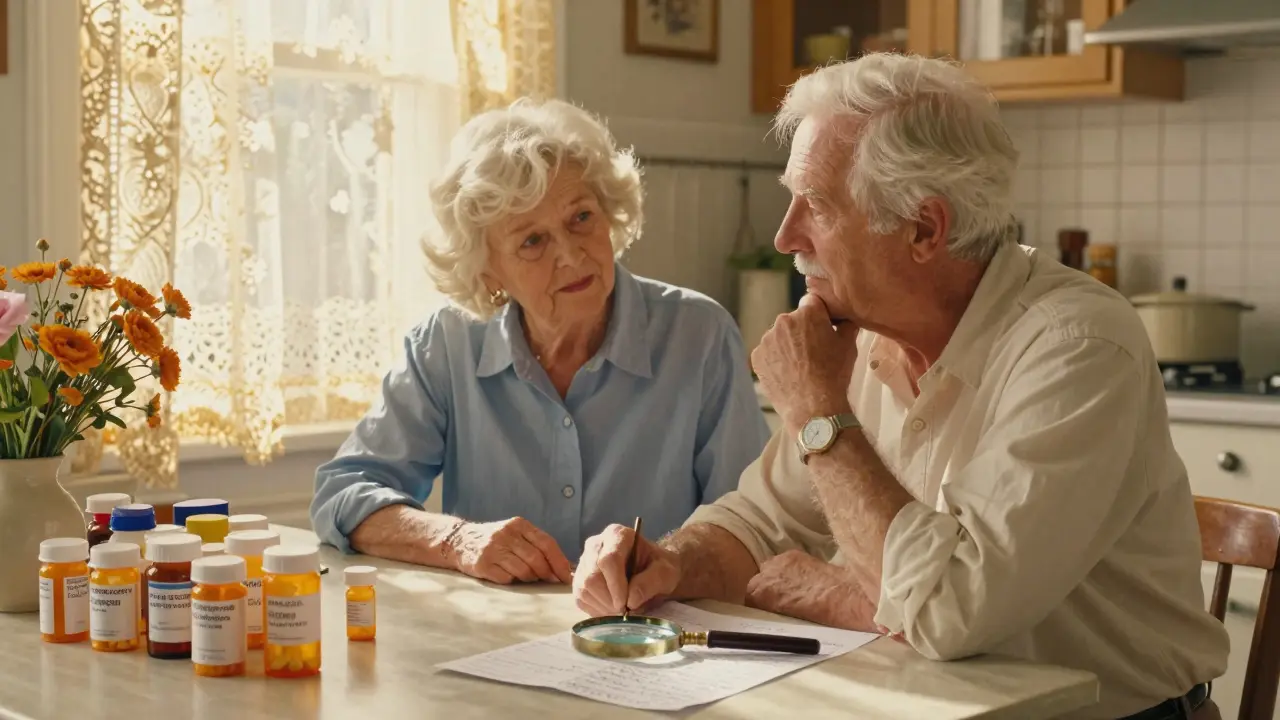
Generic Drug Safety in Older Adults: What You Need to Know
Generic drugs are cheaper and widely used by older adults, but age-related changes in metabolism and polypharmacy increase risks. Learn how to stay safe with medication, recognize red flags, and work with your care team.
Read More
The Beers Criteria: Potentially Inappropriate Medications for Seniors
The Beers Criteria is a vital guide for identifying risky medications in seniors. Learn which drugs to avoid, why they're dangerous, and what safer alternatives exist - backed by the latest 2023 updates.
Read MoreRecent News