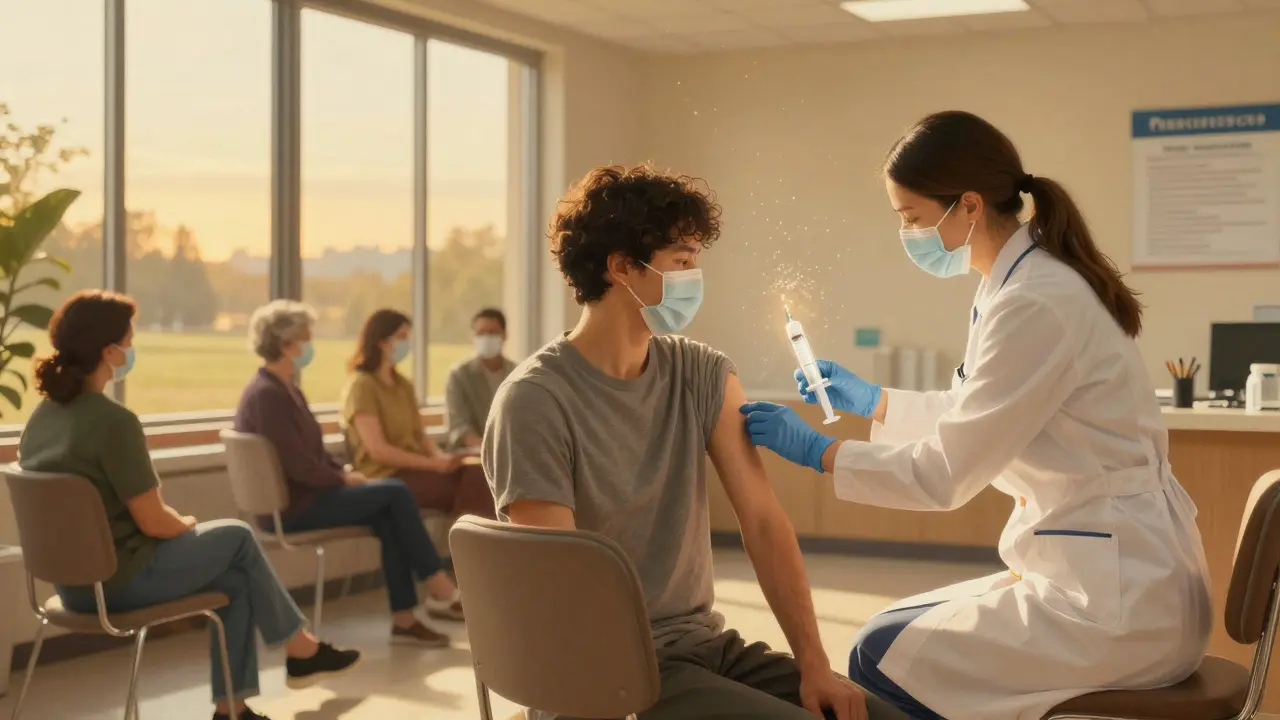
When you hear about someone having a serious reaction to a vaccine, it’s easy to assume these events are common - especially with social media amplifying rare stories. But here’s the reality: vaccine allergic reactions are extremely rare. In fact, out of every million doses given, only about 1 to 11 people might experience anaphylaxis - a severe, life-threatening allergic response. That’s less likely than being struck by lightning in a given year. And yet, because these reactions are serious, they’re monitored closely. So how does the system work? And what should you actually be worried about?
How Rare Are Allergic Reactions to Vaccines?
The numbers don’t lie. A massive study of over 25 million vaccine doses found that anaphylaxis occurred in just 1.3 cases per million doses across all vaccines. For mRNA COVID-19 vaccines, the rate was higher - about 5 to 11 cases per million doses - but still incredibly low. To put that in perspective: if you got vaccinated at a clinic that gives 1,000 shots a day, you’d have to wait nearly 3 years before seeing a single anaphylaxis case. Most of these reactions happen within minutes. In fact, 71% of cases show symptoms within the first 15 minutes. That’s why clinics ask you to wait 15 to 30 minutes after getting your shot - not because reactions are common, but because they’re fast. If one happens, you’re already in the right place to get help. And it’s not just about anaphylaxis. Other reactions like hives, swelling, or itching are more common - about 5% to 13% of people report mild skin reactions after certain vaccines. But these aren’t true allergies. They’re usually temporary, harmless, and don’t mean you can’t get future shots.What Causes These Reactions?
It’s not the virus or bacteria in the vaccine. It’s almost always one of the tiny ingredients used to make the vaccine stable or effective. For example, polyethylene glycol (PEG) is found in mRNA vaccines like Pfizer and Moderna. It’s also in laxatives, skin creams, and even some foods. A small number of people have developed allergies to PEG, and that’s likely behind most of the rare anaphylaxis cases seen after COVID-19 shots. Another common suspect is polysorbate 80, which is similar to PEG and appears in some other vaccines. Then there’s yeast protein, used to grow the hepatitis B and HPV vaccines. But here’s the twist: out of 180,000 allergic reaction reports in the national database, only 15 were even suspected to be yeast-related - and even those weren’t confirmed. And what about egg allergies? You’ve probably heard you can’t get the flu shot if you’re allergic to eggs. That’s outdated. Studies have tracked over 4,300 people with serious egg allergies - including 656 who had full-blown anaphylaxis from eating eggs - and gave them flu vaccines. Not one had a serious reaction. The CDC now says no special precautions are needed. You can walk in, get the shot, and leave.How Is This Monitored?
The U.S. has one of the most advanced vaccine safety systems in the world: the Vaccine Adverse Event Reporting System (VAERS). It’s run by the CDC and FDA, and it’s not perfect - but it’s vital. Anyone - doctors, patients, parents - can report a reaction. That’s how we found out about the slightly higher rate of anaphylaxis with mRNA vaccines. But VAERS doesn’t prove cause and effect. It’s a warning system. If 10 people report the same reaction after a new vaccine, that triggers deeper studies. For example, after reports of rare blood clots with the Johnson & Johnson vaccine, scientists dug in, confirmed the link, and updated guidelines. That’s how safety improves. There’s also v-safe - a smartphone tool the CDC launched during the pandemic. After getting vaccinated, you’d get a text asking how you felt. Over 3.6 million people used it. It gave real-time data on side effects and helped catch issues faster than any old paper system could.
Who’s Most at Risk?
Women make up 81% of reported allergic reactions to vaccines. Why? It’s not clear. Some research suggests women have more sensitive immune systems overall, or that they’re more likely to report symptoms. But the risk isn’t tied to gender - it’s tied to history. People with a history of severe allergic reactions - especially to injectable drugs, other vaccines, or known allergens like PEG - are more likely to react. But even then, the chance is still under 1 in 100,000. Most people who’ve had anaphylaxis from something else - like peanuts or bee stings - can still get vaccinated safely. Age doesn’t matter much. Reactions have been reported in kids as young as 3 months and adults over 80. But the average age is around 40. That’s probably because that’s when most people get the most vaccines - flu shots, shingles, pneumonia, boosters.What Happens If You React?
Every clinic that gives vaccines must have epinephrine on hand. It’s the only thing that stops anaphylaxis in its tracks. Staff are trained to recognize the signs: swelling of the throat, trouble breathing, sudden drop in blood pressure, hives, dizziness. If it happens, they give epinephrine right away. Most people recover fully within an hour. No deaths have been reported from vaccine-related anaphylaxis in the U.S. since tracking began. Afterward, the reaction is reported to VAERS. If you’re concerned about future shots, you’re referred to an allergist. They can do skin tests or blood tests to check for allergies to PEG, polysorbate, or other components. But here’s the key: even if you’re allergic to one component, there’s often another vaccine you can get that doesn’t contain it.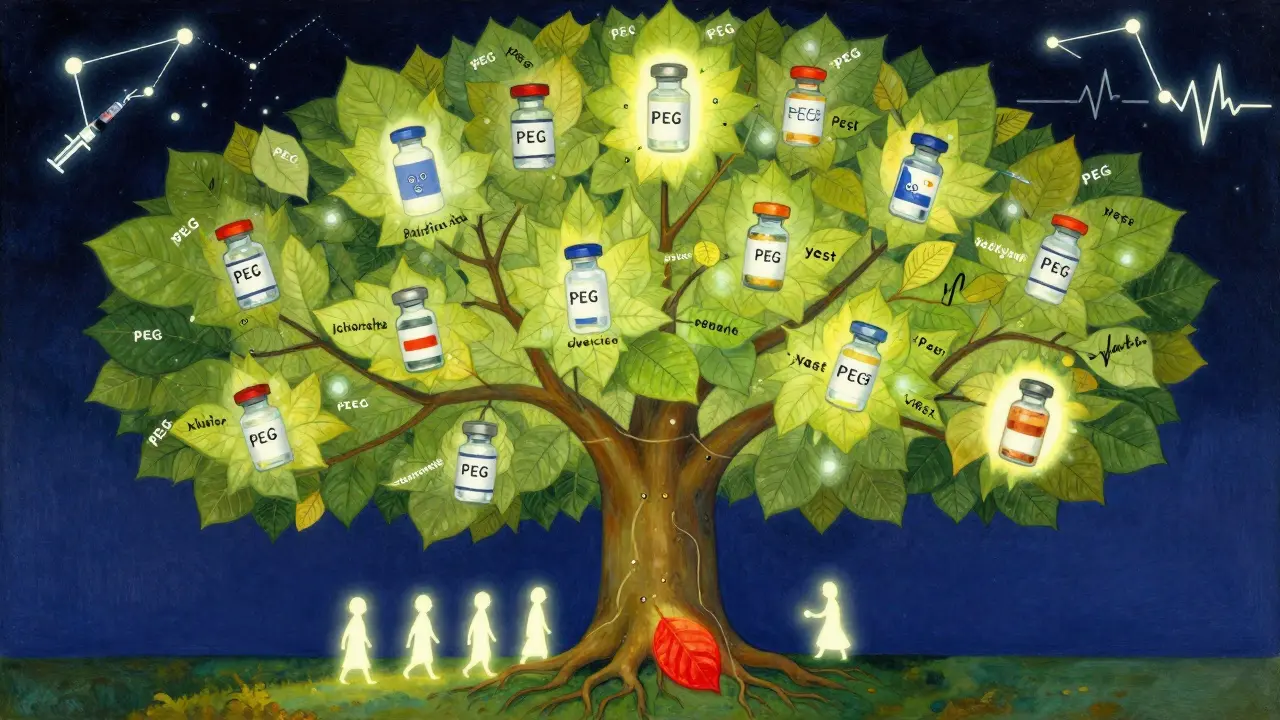
What About Aluminum or Other Ingredients?
Aluminum is used in many vaccines as an adjuvant - something that helps your body build a stronger immune response. Some people get a hard lump at the injection site that lasts weeks. It’s not an allergy. It’s just inflammation. No treatment is needed. It goes away on its own. Other ingredients - like gelatin, antibiotics, or latex in packaging - are rarely the cause of reactions. Gelatin allergies are uncommon, and most modern vaccines use synthetic versions. Latex-free needles are standard now. The real takeaway? Don’t fear the ingredients. Fear the misinformation. The amount of PEG in a vaccine is tiny - less than what’s in a single dose of a laxative. If you can take a laxative without reacting, you’re extremely unlikely to react to the same chemical in a shot.Should You Skip Vaccines Because of Fear?
No. The risk of an allergic reaction from a vaccine is far lower than the risk of getting seriously ill from the disease it prevents. Measles kills 1 in 500 people who catch it. Polio can paralyze you. COVID-19 still causes long-term damage in 1 in 5 adults. The CDC, WHO, and every major medical group agree: vaccines are safe. The rare allergic reactions we see are not a reason to avoid immunization - they’re proof that the system works. If you’ve had a reaction before, talk to an allergist. Don’t assume you’re allergic forever. Many people outgrow allergies. Some reactions were misdiagnosed. And if you’re still unsure? Get tested. You might find out you’re safe to get the shot.What’s Next for Vaccine Safety?
Researchers are working on ways to predict reactions before they happen. A clinical trial is testing skin tests for PEG and polysorbate allergies. In the next 5 to 7 years, we might have a simple test that tells you if you’re at risk - before you even get the shot. The CDC has also allocated $28 million through 2027 to improve how it analyzes safety data. That means faster detection, better alerts, and smarter guidelines. The goal isn’t to eliminate every possible reaction - that’s impossible. The goal is to keep vaccines available to everyone, even those with rare allergies, while making sure the system catches problems fast. You don’t need to be an expert to understand this: vaccines save lives. Allergic reactions are a blip on the radar. And the system in place to catch them? It’s one of the most reliable in medicine.Can you get anaphylaxis from vaccines more than once?
Yes, but it’s rare. If you had a true anaphylactic reaction to a vaccine, you’re at higher risk for another one if exposed to the same trigger again. That’s why allergists recommend testing before any future doses. If the reaction was caused by PEG, for example, you might be able to get a different vaccine that doesn’t contain it - like a non-mRNA COVID-19 shot. Avoiding the specific trigger is key.
Is it safe to get vaccinated if you have a history of anaphylaxis from something else, like peanuts or bee stings?
Yes. Having allergies to food, insects, or medications doesn’t mean you’ll react to vaccines. The ingredients in vaccines are very different from those triggers. The CDC says you can get any vaccine without special precautions - even if you’ve had anaphylaxis from peanuts, shellfish, or penicillin. Just make sure the clinic has epinephrine ready, and wait the full 15 minutes after your shot.
Do I need to avoid vaccines if I’m allergic to yeast?
No. Yeast is used to grow some vaccines, like hepatitis B and HPV. But allergic reactions to yeast in vaccines are extremely rare - only about 15 suspected cases out of 180,000 reports in VAERS. Most people with yeast allergies can get these vaccines safely. The CDC does not recommend avoiding them. If you’re still worried, talk to your doctor or an allergist. Skin testing isn’t routinely needed.
Why do some people get hives or rashes after vaccines if it’s not an allergy?
Many skin reactions after vaccines are not allergic. They’re just your immune system responding to the shot - similar to how your skin might get red after a bug bite. These reactions usually appear hours or days later, are mild, and go away on their own. They don’t mean you’re allergic to the vaccine. You can safely get future doses. Only reactions within minutes - like swelling, trouble breathing, or low blood pressure - are considered true anaphylaxis.
What should I do if I think I had an allergic reaction to a vaccine?
If you had symptoms like swelling, trouble breathing, dizziness, or hives within minutes of getting the shot, seek medical attention right away. Even if you feel better, report it to VAERS through your provider or online at vaers.hhs.gov. Then, see an allergist. They can help determine if it was a true allergy and whether future vaccines are safe. Don’t assume you’re allergic forever - many reactions are misdiagnosed.





Comments
Sam Dickison
8 February 2026Let’s be real - anaphylaxis from vaccines is like winning the lottery but in reverse. You’re more likely to get struck by lightning while being eaten by a shark than to have a serious reaction. The system’s not perfect, but VAERS and v-safe? Those are the gold standard. People act like every report is a death sentence, but it’s just noise in the data. Most of ‘em are coincidences.
Brett Pouser
9 February 2026I’ve seen this firsthand - my cousin got the Moderna shot, broke out in hives 4 hours later, and panicked. Turned out it was heat rash from wearing a hoodie in the waiting room. We all freak out because we don’t understand the difference between immune response and true allergy. The fact that clinics have epinephrine ready? That’s peace of mind right there.
Jacob den Hollander
11 February 2026Okay, so… PEG? Like… the stuff in laxatives? Yeah, I mean, I’ve taken MiraLAX before, no problem. So why would a tiny, tiny, TINY amount in a vaccine be the issue? And polysorbate? That’s in ice cream, folks. Ice cream. If you can eat Ben & Jerry’s without turning into a human balloon, you’re probably fine. Also, egg allergy? Please. I got the flu shot last year with a full-on anaphylactic history from peanuts - no drama. Zero. Nada. Just a little sore arm. The science is solid, even if the fear isn’t.
Alex Ogle
12 February 2026It’s wild, really. We live in an age where we can map the human genome in hours, yet we still treat a 1-in-1-million risk like it’s a looming apocalypse. The fact that we’ve got real-time surveillance systems tracking side effects across millions of doses - and still, the number of confirmed severe reactions is lower than the number of people who die from falling out of bed - it’s almost poetic. We fear what we can’t control, even when the data says we’re safer than ever.
Lyle Whyatt
12 February 2026Look, I’m Australian, and we don’t have the same vaccine hysteria here - partly because we don’t have the same 24/7 outrage machine. But I’ve talked to people who refuse boosters because of ‘ingredients.’ Like, aluminum? That’s in antacids. Gelatin? That’s in gummy bears. PEG? It’s in toothpaste. If you’re allergic to toothpaste, you’ve got bigger problems. The real tragedy isn’t the rare reaction - it’s people avoiding lifesaving shots because they read a post by someone who ‘knows someone’ who ‘felt weird.’
Ken Cooper
14 February 2026So, I’m just gonna say this - I had a reaction after my second shot, kinda dizzy, flushed, thought I was dying. Went to the doc, they said it was a vasovagal response, not an allergy. I’ve gotten three more shots since, no issues. Point is: don’t assume. Don’t panic. Talk to a professional. VAERS isn’t a death list - it’s a safety net. And v-safe? That thing saved my sanity. Texts asking how I felt? I loved it. Felt like someone was checking in. We need more of that, not less.
Susan Kwan
15 February 2026Oh wow, another ‘vaccines are safe’ pamphlet. Let me guess - you also think 5G is harmless and the moon landing was real? You know what’s rare? People who actually read the VAERS reports. They’re full of deaths, heart attacks, paralysis - and yeah, correlation isn’t causation, but why are we so eager to ignore the pattern? If it’s so safe, why do they need 30-minute observation periods? Hmm? Hmm?
Ryan Vargas
15 February 2026Let’s not pretend this isn’t a controlled experiment. The sudden spike in anaphylaxis with mRNA vaccines? Coincidence? Or did Big Pharma engineer this? Think about it - PEG is everywhere now, but it was never in vaccines before 2020. And now? Suddenly, it’s in every shot. And suddenly, people are reacting. And suddenly, the CDC says ‘don’t worry.’ But why? Because they’re paid. Or because they’re scared? The system is designed to normalize risk, not to protect you. They want you to believe the risk is negligible - so you keep lining up. And the more you line up, the more they profit. The math doesn’t lie - it’s just being manipulated.
Tasha Lake
17 February 2026As someone who works in immunology, I love how this post breaks down the science without dumbing it down. PEG and polysorbate are such niche allergens - most people don’t even know they exist. And the fact that yeast allergies are practically irrelevant? That’s huge. I’ve had patients terrified of the HPV shot because of ‘yeast’ - turns out they were allergic to bread. We need way more public education like this. Seriously, this should be a CDC infographic.
Camille Hall
17 February 2026I’ve worked in clinics for 12 years. I’ve seen maybe two true anaphylaxis cases in that time - both happened within 5 minutes, both were handled perfectly. The waiting period? It’s not because reactions are common. It’s because we care. That’s the beauty of this system - we don’t ignore the rare cases. We prepare for them. And we celebrate when they don’t happen. Vaccines are one of the greatest public health wins. Let’s not let fear erase that.
Ritteka Goyal
17 February 2026USA always making vaccines sound like magic pills. In India, we know better - we see the side effects every day. My cousin got fever for 3 days after Pfizer. Her legs swelled. She couldn’t walk. And you say it’s 1 in a million? What about the 1 in 100,000? We don’t have VAERS. We don’t have v-safe. We just get shots and pray. Maybe your system works - but don’t act like it’s perfect. And don’t shame people who are scared. We’ve been lied to before.
Monica Warnick
18 February 2026So… you’re telling me I can get the flu shot even if I’m allergic to eggs? And that it’s been tested on 4,300 people with full anaphylaxis? And not one person died? And now you’re saying PEG is in laxatives? I’m sorry - I need to sit down. I just got my second Moderna shot last week. I’m fine. But now I’m wondering… what else have I been lied to about? Are vaccines really just… science? Or is this all part of some bigger plan? I don’t know anymore. I’m just… confused.