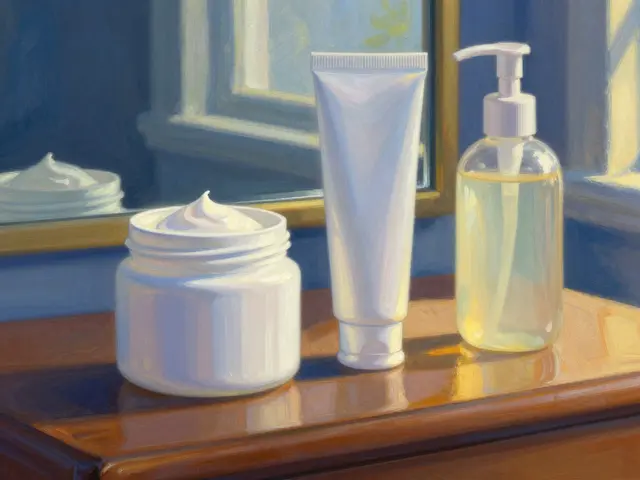
Generic vs Brand Medications: What You Really Need to Know
When you pick up a prescription, you might see two options: a generic drug, a chemically identical version of a brand-name medication approved by the FDA after the patent expires. Also known as non-brand medication, it works the same way but usually costs far less. Then there’s the brand medication, the original version developed by a pharmaceutical company, protected by patents and often sold under a trademarked name. The big question isn’t whether they’re different—it’s whether that difference matters for you.
Here’s the truth: generic vs brand isn’t about quality. The FDA requires generics to have the same active ingredient, strength, dosage form, and route of administration as the brand. They must also prove bioequivalence, meaning they deliver the same amount of medicine into your bloodstream at the same rate as the brand. Studies, including those using crossover trial design, a method where patients take both versions in sequence to compare effects directly, confirm this. So if your doctor says a generic is safe, it is. But here’s where it gets messy: inactive ingredients, like fillers or dyes, can vary. For most people, that’s fine. But if you’re sensitive to lactose, gluten, or certain dyes, those small differences can cause real side effects. That’s why some patients switch back to brand—sometimes because their body reacts differently, not because the medicine is better.
Insurance companies push generics hard because they save billions. Insurance benefit design, how health plans structure coverage to lower costs often puts generics on the lowest tier, making them cheaper or even free. But here’s the catch: sometimes you’re not saving as much as you think. Pharmacy benefit managers (PBMs) and hidden pricing can mean your out-of-pocket cost for a brand is the same as the generic. And in rare cases—like with narrow-therapeutic-index drugs such as warfarin or levothyroxine—doctors may recommend sticking with one version for consistency. That’s not because generics are less effective. It’s because tiny variations in absorption can matter when your body needs precise control.
Drug shortages also play a role. When brand-name drugs run out, pharmacies often switch to generics automatically. But if the generic is also in short supply—like with many generic drug shortage, widespread supply issues affecting common medications—you might end up waiting longer or paying more. And don’t forget the legal side: some companies use antitrust, business practices that block competition to keep prices high tricks like product hopping or patent thickets to delay generics from entering the market. That’s why some drugs stay expensive long after they should’ve become cheap.
So what should you do? Don’t assume brand is better. Don’t assume generic is always perfect. Ask your pharmacist: "Is this generic the same as the one I used before?" If you notice a change in how you feel after switching, tell your doctor. Keep track of how you respond. The science says generics work. But your body is your best indicator. Below, you’ll find real stories, studies, and practical advice on when to stick with one, when to switch, and how to make sure you’re not paying more than you need to.
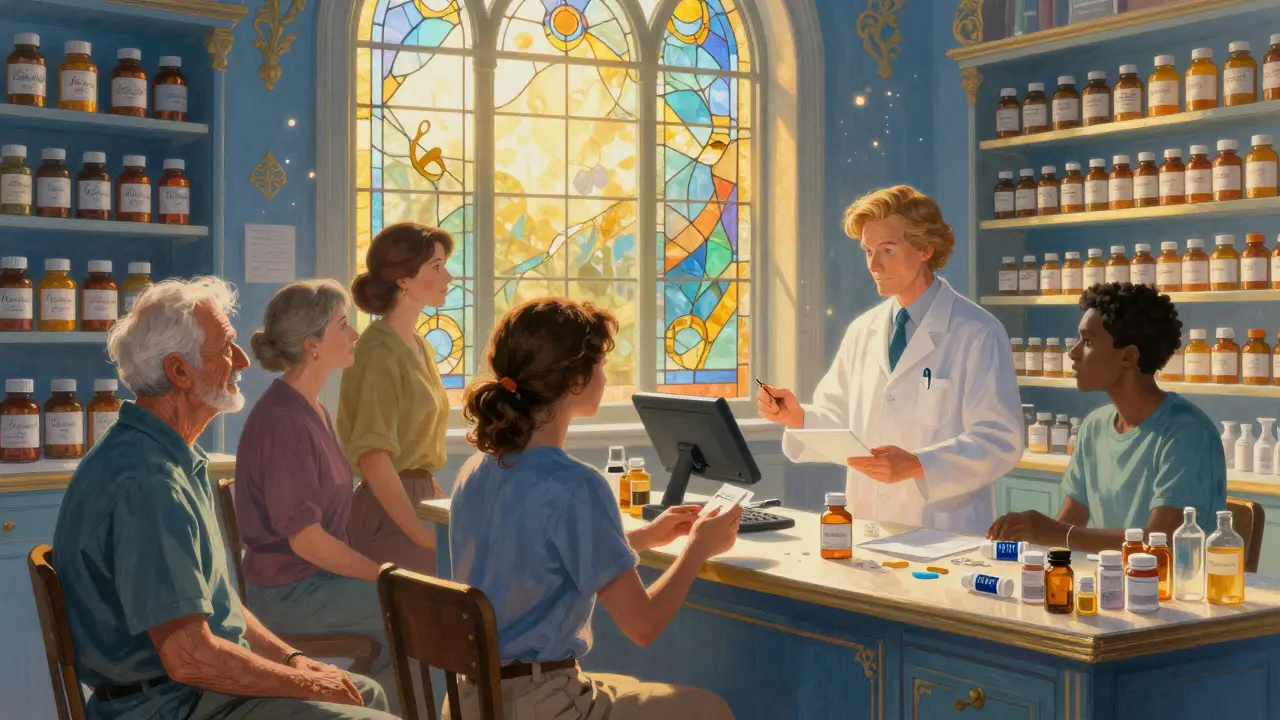
How Generic Drugs Save Billions in the U.S. Healthcare System
Generic drugs saved the U.S. healthcare system $482 billion in 2024 by making up 90% of prescriptions at just 12% of the cost. Learn how generics and biosimilars cut drug prices, who benefits, and why more savings are still possible.
Read More
Switching from Brand to Generic Medication: What You Need to Know
Switching from brand-name to generic medication saves money without sacrificing effectiveness for most people. Learn when it's safe, when to be cautious, and what to watch for after the switch.
Read MoreRecent News