Elderly Drug Metabolism: How Aging Changes How Medications Work
When you get older, your body doesn’t process drugs the same way it used to. This is called elderly drug metabolism, the way the body absorbs, breaks down, and removes medications as people age. Also known as age-related pharmacokinetics, it’s not just about slower digestion—it’s a chain reaction that changes how safe and effective your meds can be. Your liver shrinks a bit. Your kidneys don’t filter as well. Blood flow slows. Even your body fat and water balance shifts. All of this means a drug that worked fine at 50 might build up to dangerous levels at 75.
That’s why geriatric pharmacology, the study of how medications behave in older adults exists. It’s not theory—it’s daily practice. A common painkiller like ibuprofen can raise your risk of kidney failure. A sleep aid might leave you dizzy and prone to falls. Even something as simple as a blood pressure pill can become too strong because your body clears it slower. The Beers Criteria, a trusted list of medications that pose higher risks for seniors exists for a reason: over 30% of older adults take at least one drug that doctors now advise against.
And it’s not just about the pills themselves. It’s about combinations. Seniors often take five, six, or more medications. That’s when drug clearance in seniors, how quickly the body removes drugs from the bloodstream becomes critical. If one drug slows down the liver’s ability to break down another, levels can spike. Warfarin, cyclosporine, or even common antibiotics can turn risky if not monitored. That’s why doctors check kidney function, liver enzymes, and drug levels more often in older patients. It’s not overcaution—it’s necessity.
You’ll find real-world examples in the posts below. Some show how certain drugs are flagged for seniors. Others explain how to spot early signs of toxicity. There are guides on switching meds safely, avoiding dangerous interactions, and understanding why what worked before no longer does. This isn’t about fear. It’s about control. Knowing how your body changes helps you ask the right questions, recognize warning signs, and work with your doctor to keep your meds working—without putting you at risk.
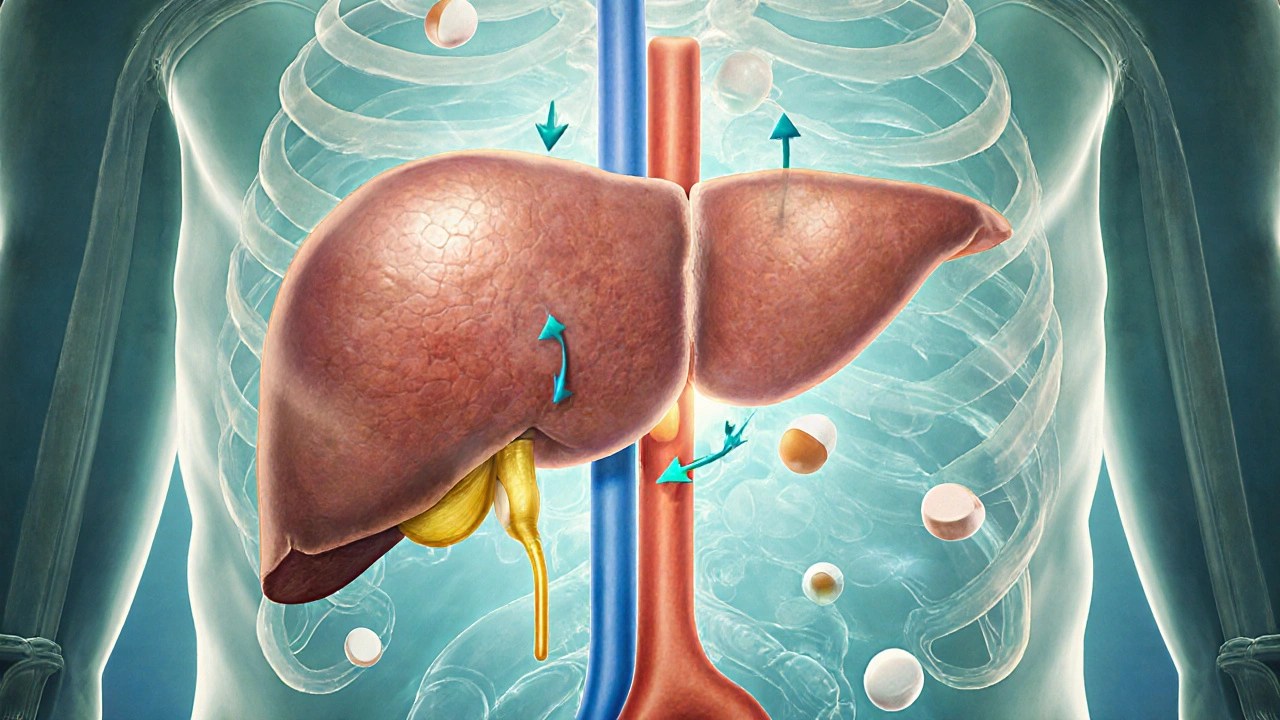
How Liver and Kidney Changes in Older Adults Affect Drug Metabolism
Age-related changes in liver and kidney function alter how drugs are processed in older adults, increasing the risk of adverse reactions. Learn how these changes impact medication safety and what you can do to prevent harm.
Read MoreRecent News