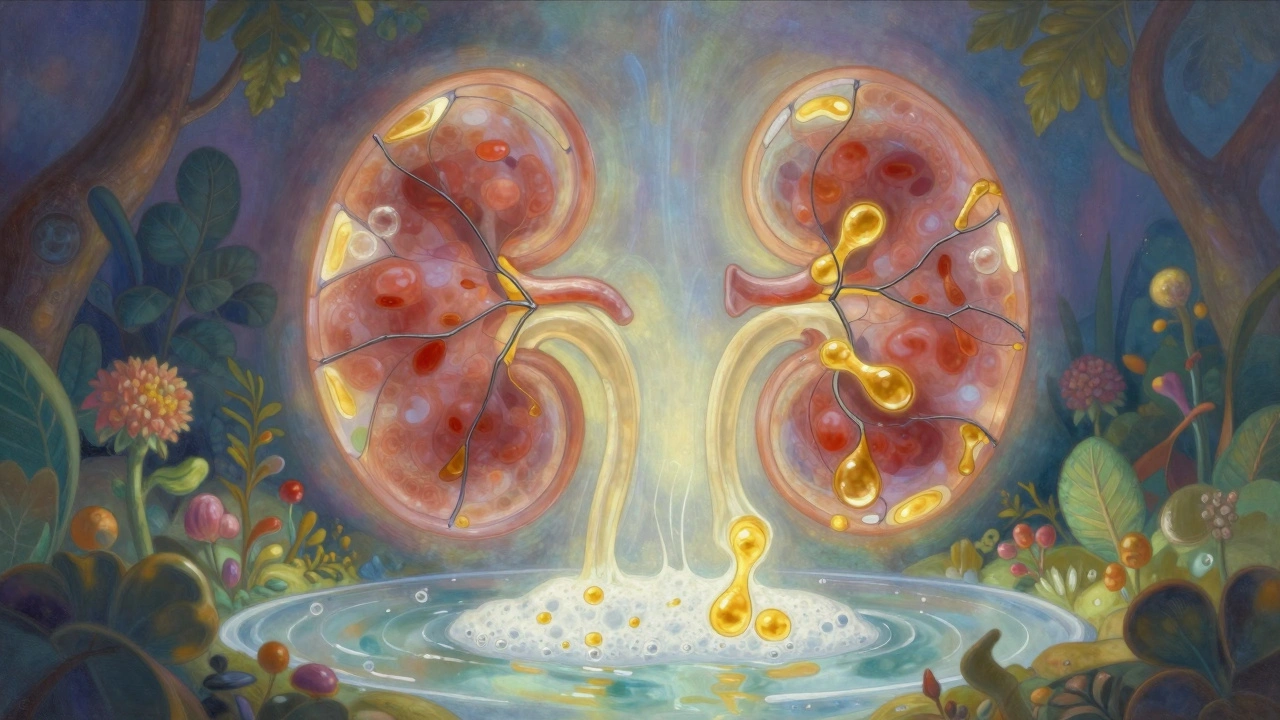
When your urine looks foamy, bubbly, or unusually frothy, it might not just be a weird coincidence. It could be your body’s way of saying something’s wrong with your kidneys. That’s what proteinuria means-too much protein leaking into your urine. Healthy kidneys are like fine filters. They keep protein in your blood where it belongs, helping with muscle repair, fluid balance, and immune function. But when those filters get damaged, protein slips through-and that’s your first warning sign.
What Proteinuria Really Means
Proteinuria isn’t a disease itself. It’s a symptom. And it’s one of the most reliable early indicators of kidney damage. Normally, your kidneys let through less than 150 milligrams of protein per day. That’s about a teaspoon spread over 24 hours. Anything more than that starts to raise red flags.
The most common protein found in urine is albumin. When doctors talk about albuminuria, they’re really talking about the same thing as proteinuria-just more specific. A urine albumin-to-creatinine ratio (UACR) above 30 mg/g is considered abnormal. If it hits 300 mg/g or higher, that’s severe proteinuria. At this stage, your kidneys are struggling badly.
Studies show that people who lose more than 1 gram of protein daily have a 50% chance of reaching end-stage kidney disease within 10 years if nothing changes. That’s why catching it early isn’t optional-it’s life-saving.
Why You Might Have Protein in Your Urine
Not all proteinuria is serious. Sometimes it’s temporary. About 25% of healthy adults will have a spike in urine protein after intense exercise, a fever, dehydration, or even extreme stress. These are called transient cases. They go away on their own.
But if it sticks around, that’s when you need to dig deeper. Persistent proteinuria usually points to an underlying problem:
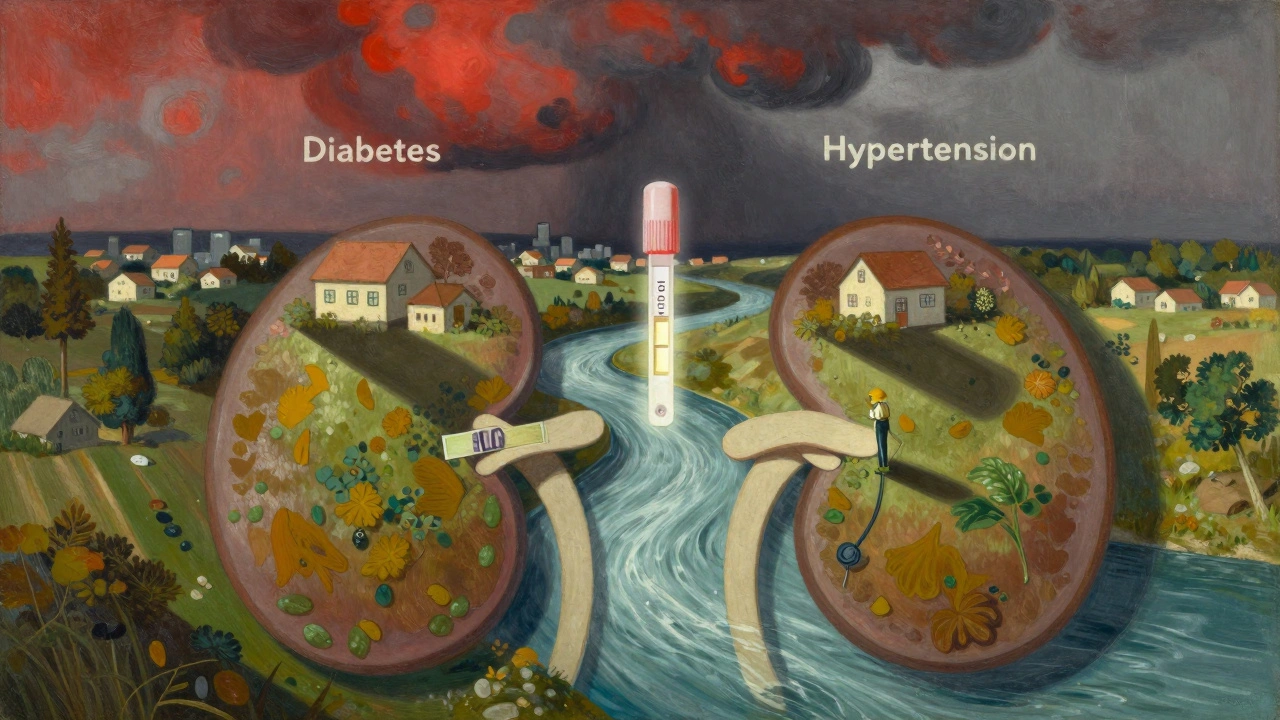
- Diabetes is the #1 cause-40% of chronic cases. High blood sugar slowly damages the kidney’s filtering units.
- High blood pressure comes second at 25%. Constant pressure on tiny blood vessels in the kidneys wears them down.
- Glomerulonephritis (inflammation of the kidney filters) accounts for 15% of cases.
- Lupus and other autoimmune diseases attack the kidneys directly, causing 7% of cases.
- Preeclampsia during pregnancy can trigger sudden proteinuria-this needs immediate attention.
- Less common but serious causes include multiple myeloma, amyloidosis, and severe heart failure.
If you’re over 40, have diabetes or high blood pressure, or have a family history of kidney disease, you’re at higher risk. That’s why screening matters-even if you feel fine.
How to Know If You Have It
Here’s the hard truth: most people with early proteinuria feel nothing. Up to 70% of cases show no symptoms until the damage is advanced. That’s why routine testing is critical.
When symptoms do appear, they’re hard to ignore:
- Foamy or bubbly urine (85% of symptomatic cases)
- Swelling in feet, ankles, hands, or face (75%)
- Feeling tired all the time (60%)
- Weight gain from fluid retention
- Frequent urination, especially at night
- Nausea or loss of appetite
When protein loss gets really high-over 3,500 mg per day-you might develop nephrotic syndrome. That means your blood albumin drops below 3.0 g/dL, cholesterol spikes, and swelling becomes severe. This is a medical emergency.

How Doctors Test for It
Testing is simple, but accuracy matters. Most clinics start with a dipstick test-a quick strip dipped in your urine sample. It gives a rough idea-trace, 1+, 2+, etc. But dipsticks miss up to half of mild cases. That’s why they’re just a first step.
The real gold standard is the urine albumin-to-creatinine ratio (UACR) from a single urine sample. It’s accurate, fast, and doesn’t require collecting urine for 24 hours (which most people find annoying and messy).
Here’s what the numbers mean:
- Less than 30 mg/g: normal
- 30-300 mg/g: moderate proteinuria (early kidney damage)
- Over 300 mg/g: severe proteinuria (advanced damage)
If your UACR is high, your doctor will likely repeat the test in a few weeks to confirm. One high reading doesn’t mean you have kidney disease-but two or three do.
How to Reduce Proteinuria and Protect Your Kidneys
Once you know you have proteinuria, the goal isn’t just to lower the number-it’s to stop the damage before it’s too late. Here’s what actually works:
1. Take Blood Pressure Medications That Protect Kidneys
ACE inhibitors (like lisinopril) and ARBs (like losartan) aren’t just for lowering blood pressure. They directly reduce protein leakage from the kidneys. Studies show they cut proteinuria by 30-50% and slow kidney decline by 20-30%. These are first-line treatments for diabetic and hypertensive kidney disease.
Side effects? A dry cough is common with ACE inhibitors. If that happens, switching to an ARB usually fixes it.
2. Control Blood Sugar if You Have Diabetes
Keeping your HbA1c under 7% isn’t just about avoiding nerve damage-it’s key for your kidneys. Newer diabetes drugs like SGLT2 inhibitors (canagliflozin, dapagliflozin) don’t just lower blood sugar. They reduce proteinuria by 30-40% and slow kidney function loss by 30%. These are now recommended for almost all diabetics with kidney involvement.
3. Eat Less Protein (But Not Too Little)
It sounds backward, but eating too much protein forces your kidneys to work harder. The sweet spot? 0.6-0.8 grams of protein per kilogram of body weight per day. For a 70 kg (154 lb) person, that’s about 42-56 grams daily.
That’s not starvation. It’s smart adjustment. Swap out some meat for plant-based proteins like beans, lentils, and tofu. Avoid processed meats and high-protein shakes unless your doctor says otherwise. A renal dietitian can help you plan meals that protect your kidneys without leaving you weak or hungry.
4. Lower Your Blood Pressure to 130/80 or Lower
High blood pressure is a double threat: it causes proteinuria, and proteinuria makes blood pressure harder to control. Breaking that cycle is essential. Regular exercise, reducing salt, losing excess weight, and limiting alcohol all help. Many people need two or three medications to hit that target.
5. Try Newer Medications if You’re High Risk
Finerenone, a newer drug approved in 2021, reduces proteinuria by 32% in diabetic kidney disease and cuts the risk of kidney failure by 18%. It’s not for everyone-but if you’re on an ACE inhibitor or ARB and still leaking protein, ask your doctor if it’s right for you.
How Often Should You Get Tested?
If you’re healthy and under 40 with no risk factors: no need for routine screening.
If you have diabetes, high blood pressure, heart disease, or a family history of kidney disease: get tested at least once a year. If you’ve already been diagnosed with proteinuria, testing every 3-6 months is standard. During treatment changes, monthly checks help track progress.
Target: reduce your UACR by at least 30% within 3 months of starting treatment. If you don’t see that drop, your treatment plan needs adjustment.
What’s Next in Proteinuria Research
Science is moving fast. New urine tests are being developed to spot kidney damage before protein even shows up. One promising marker is urinary TNF receptor-1-it predicts rapid decline better than protein levels alone.
Smartphone apps that analyze urine color and foam with your phone’s camera are now 85% accurate in early trials. They won’t replace lab tests, but they could help people monitor changes at home.
And there’s hope for genetic treatments. Trials for Alport syndrome, a rare inherited kidney disease, are showing 35% proteinuria reduction with new drugs. These breakthroughs could change how we treat many forms of kidney disease down the line.
Don’t Wait for Symptoms
Proteinuria doesn’t wait. It doesn’t hurt until it’s too late. If you have diabetes, high blood pressure, or just a family history of kidney trouble, get tested. A simple urine test could give you years-maybe decades-of healthy kidney function.
Lowering protein in your urine isn’t about fixing a lab result. It’s about protecting your body’s most vital filter. And once you know what to look for, you’re no longer helpless. You’re in control.
Is protein in urine always a sign of kidney disease?
No. Temporary proteinuria can happen after intense exercise, fever, dehydration, or stress. These are usually harmless and go away on their own. But if protein stays in your urine for more than a few weeks, or if levels are consistently high, it’s likely a sign of kidney damage and needs medical evaluation.
Can I test for protein in my urine at home?
You can use dipstick tests sold at pharmacies, but they’re not reliable for early detection. They miss mild cases and can’t give you exact numbers. For accurate results, a lab test like UACR (urine albumin-to-creatinine ratio) is needed. Some smartphone apps are emerging and show promise, but they’re not yet standard medical tools.
What foods should I avoid if I have proteinuria?
Avoid high-sodium foods like processed snacks, canned soups, deli meats, and fast food-they raise blood pressure and worsen kidney stress. Also limit high-protein diets and supplements unless directed by your doctor. Focus on whole foods: vegetables, fruits, whole grains, legumes, and lean proteins in controlled amounts.
Does drinking more water reduce protein in urine?
No. Drinking more water dilutes your urine, which might make foaminess less obvious, but it doesn’t fix the underlying kidney issue. Proteinuria is caused by damaged filters, not dehydration. Treating the root cause-like diabetes or high blood pressure-is what matters.
Can proteinuria be reversed?
In early stages, yes. If caught early and treated aggressively with blood pressure control, blood sugar management, and proper diet, proteinuria can drop significantly-and kidney damage can slow or even partially reverse. Once scarring sets in, the damage is permanent, but further decline can still be stopped.
How long does it take to see results from treatment?
Most people see a reduction in proteinuria within 4-12 weeks of starting medication like ACE inhibitors or SGLT2 inhibitors. Blood pressure and blood sugar control take longer to show full effect, but consistent treatment over 3-6 months is key. Your doctor will track your UACR every few months to measure progress.





Comments
sean whitfield
4 December 2025Protein in urine? Yeah right. Next they'll tell me my phone is spying on me through my pee. They've been lying about kidney disease since the 80s. It's all about selling drugs. You feel fine? Good. That's because the system wants you scared.
Philip Kristy Wijaya
6 December 2025I find it deeply concerning that medical authorities continue to promote the notion that proteinuria is a reliable biomarker when the entire paradigm of nephrology is built upon flawed statistical assumptions and pharmaceutical lobbying. The body does not leak protein it transmits it as part of a systemic detoxification protocol that modern medicine refuses to acknowledge.
Jennifer Patrician
6 December 2025You think this is about kidneys? Nah. This is about the FDA letting Big Pharma pump out ACE inhibitors so they can sell you more pills. I know a guy who got his proteinuria to vanish by drinking apple cider vinegar and refusing to go to the doctor. They don't want you to know that.
Mellissa Landrum
7 December 2025why do they always say uacr? its all a scam. my cousin had foam in his pee and they gave him 5 pills and he died. now im scared to even pee. dont trust the doc. they just wanna take your money.
Mark Curry
9 December 2025I just wanted to say thanks for laying this out so clearly. It's scary to think how many people ignore early signs because they feel fine. I got tested last year after reading something like this. My UACR was 42. Started on losartan and cut back on salt. Three months later it's at 28. Small wins matter. 😊
Manish Shankar
10 December 2025This is an exceptionally well-structured and clinically accurate exposition on proteinuria. The integration of evidence-based interventions such as SGLT2 inhibitors and finerenone reflects the current international consensus. I commend the author for emphasizing the importance of longitudinal monitoring and the distinction between transient and persistent proteinuria. Such clarity is rare in public health communication.
luke newton
11 December 2025You people are so naive. You think drinking water helps? HA. You're just feeding the machine. If you're not taking your meds exactly as prescribed by a real doctor who's seen your file in person, you're just another statistic. I know someone who died because they listened to 'natural remedies' on Reddit. Don't be that guy.
Ali Bradshaw
12 December 2025This post is gold. Seriously. I’ve been managing my BP for 8 years and never knew proteinuria was the silent red flag. Got tested last week-UACR was 210. Started an ARB, cut out processed food, and started walking daily. Not perfect, but I feel like I’m actually doing something. Keep sharing stuff like this. You’re helping people stay alive.