Blood Count Range Checker
Note: This tool is for educational purposes only and does not provide medical advice. Always consult your hematologist or oncologist to interpret your lab results.
Analysis Results
Enter your values and click "Analyze" to see how they compare to standard thresholds.
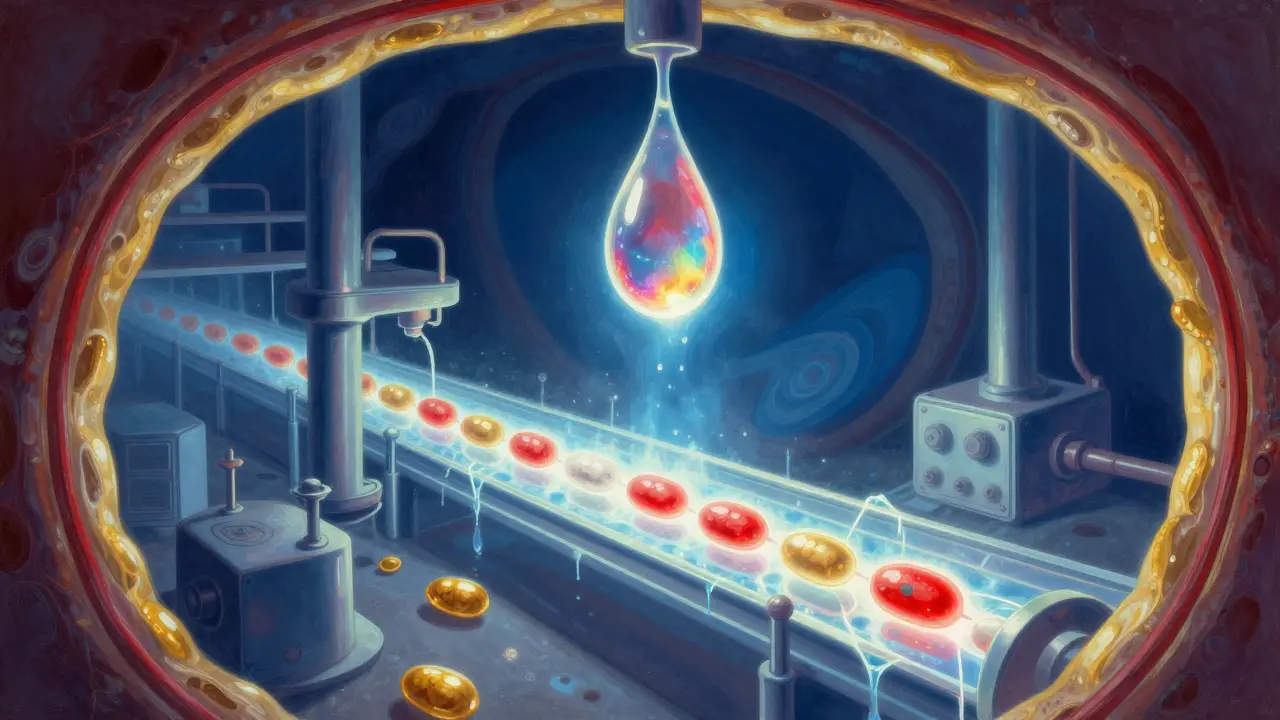
Imagine your bone marrow as a tiny, high-speed factory. Every second, it pumps out millions of red blood cells to carry oxygen, white blood cells to fight germs, and platelets to stop you from bleeding. Now, imagine a powerful medication enters the system and accidentally hits the "stop" button on that assembly line. That is exactly what happens during bone marrow suppression is a medical condition where the bone marrow produces fewer blood cells than your body needs, also known as myelosuppression. It is a serious reaction that can turn a routine treatment into a medical emergency if not watched closely.
Quick Summary: What You Need to Know
- What it is: A drop in red cells, white cells, and platelets caused by certain drugs.
- Common Culprits: Chemotherapy is the most frequent cause, but some antibiotics and immunosuppressants do it too.
- The Danger: High risk of severe infections, uncontrolled bleeding, and extreme fatigue.
- Management: Weekly blood tests (CBC) and growth factors like G-CSF to boost cell production.
- Warning Signs: Fever over 101°F (38.3°C), unusual bruising, or sudden shortness of breath.
How Low Blood Counts Actually Happen
Most medications that cause this reaction don't target the bone marrow on purpose. Instead, they target rapidly dividing cells. Since hematopoietic stem cells (the "mother cells" in your marrow) divide quickly, they get caught in the crossfire. According to the National Cancer Institute, when these stem cells are damaged, the entire production chain collapses.
This doesn't happen overnight. There is usually a delay. For people on chemotherapy, the counts typically hit their lowest point-called the nadir-about 7 to 14 days after the drug is administered. If you've ever felt a "crash" a week after a treatment session, this is likely why your cells are at their lowest ebb.
The Three Faces of Low Blood Counts
Bone marrow suppression isn't just one problem; it is three different problems happening at once. Depending on which "department" of the marrow factory is failing, you will experience different symptoms.
First, there is neutropenia. This happens when your absolute neutrophil count (ANC) drops below 1,500 cells/μL. Neutrophils are your first responders against bacteria. Without them, a simple scratch or a mild cold can turn into systemic sepsis. This is why doctors obsess over your temperature; a fever during a neutropenic period is a red alert.
Second, you have anemia. This is a shortage of red blood cells (hemoglobin below 13.5 g/dL for men or 12.0 g/dL for women). You'll feel an overwhelming exhaustion that sleep can't fix, shortness of breath while walking, and a pale complexion because your organs aren't getting enough oxygen.
Third is thrombocytopenia, where platelets drop below 150,000/μL. Platelets are the "glue" that plugs leaks in your blood vessels. If they drop below 50,000/μL, you might see tiny purple spots (petechiae) on your skin or experience nosebleeds that won't stop.
| Cell Type | Low Threshold | Severe Threshold | Key Symptom |
|---|---|---|---|
| White Cells (Neutrophils) | < 1,500 cells/μL | < 500 cells/μL | Fever, Chills, Sore Throat |
| Red Cells (Hemoglobin) | < 12-13.5 g/dL | < 8 g/dL | Extreme Fatigue, Pale Skin |
| Platelets | < 150,000/μL | < 50,000/μL | Easy Bruising, Tiny Red Spots |

Which Medications Cause the Most Trouble?
While chemotherapy is the most obvious cause-affecting 60-80% of patients-it isn't the only culprit. Some non-cancer drugs can be just as aggressive. For example, azathioprine, an immunosuppressant used for organ transplants and autoimmune diseases, can trigger severe suppression in about 5-10% of users. If this happens, doctors often switch patients to mycophenolate mofetil, which has a better track record for restoring counts.
Even some common antibiotics can cause issues. Trimethoprim-sulfamethoxazole (Bactrim) is known to occasionally suppress the marrow in 2-5% of cases. In oncology, specific drugs have distinct "fingerprints." Carboplatin is notorious for causing platelet drops (thrombocytopenia) in nearly 40% of patients, while fludarabine often leads to a long-term shortage of lymphocytes.
Managing the Crash: Treatment and Support
If your counts drop, the goal is to keep you safe while the marrow recovers. For mild cases, your doctor might simply delay your next dose-a "chemo holiday." But for severe drops, more aggressive tools are needed.
One of the most effective tools is G-CSF (Granulocyte Colony-Stimulating Factor). Drugs like filgrastim or the long-acting pegfilgrastim act like a megaphone, shouting at the bone marrow to produce white blood cells faster. These can shorten the duration of neutropenia by several days, reducing the risk of hospital stays.
For those with lung cancer, a newer drug called Trilaciclib is used to protect the marrow before chemotherapy even starts, potentially reducing the severity of the suppression by nearly half. If things get critical, transfusions are the safety net. Red blood cell transfusions are typically triggered when hemoglobin hits 8 g/dL, and platelet transfusions are used if counts drop below 10,000/μL or if active bleeding occurs.

Living with Myelosuppression: Practical Tips
When your blood counts are low, your environment becomes a potential minefield. You aren't just "sick"; you are biologically vulnerable. If you are in a neutropenic state, you should avoid crowds, skip raw seafood, and stop using electric razors that might nick your skin.
The most important rule is the 101°F (38.3°C) rule. If you hit this temperature, don't wait until morning to call your doctor. A fever when you have no white blood cells is a medical emergency because your body cannot fight off the infection on its own.
Keep a detailed log of your Complete Blood Count (CBC) results. Tracking your "trend" is more important than a single number. If your platelets are dropping steadily every week, your team can intervene before you reach a dangerous level.
Can bone marrow suppression be permanent?
In most cases, medication-induced suppression is reversible once the drug is stopped or the dose is lowered. However, if the marrow suffers extreme damage or if there is a pre-existing condition like aplastic anemia, recovery can be slower or incomplete. In rare, persistent cases, a stem cell transplant may be the only way to restore normal function.
Will G-CSF meds make my cancer grow faster?
This is a common concern. While growth factors like filgrastim stimulate white blood cells, there are FDA black box warnings about the theoretical risk of stimulating malignant cells. In practice, the benefit of preventing life-threatening infections usually far outweighs this risk, but it is a conversation you should have with your hematologist.
Why do I feel so tired even if my white cells are okay?
That is likely because of anemia. Bone marrow suppression often affects different cell lines at different rates. You might have enough white cells to fight infection, but if your red blood cell count (hemoglobin) is low, your muscles and brain aren't getting enough oxygen, leading to that heavy, crushing fatigue.
Is there a way to predict if I will react this way?
Yes, research is moving toward personalized prediction. Some doctors use in-vitro colony-forming cell assays to forecast how a patient's marrow will react. Additionally, certain genetic markers, such as TP53 mutations, have been linked to a nearly four-times higher risk of severe suppression.
What is the 'chemo holiday' exactly?
A 'chemo holiday' is a planned break in treatment. If your CBC shows that your counts haven't recovered enough from the previous cycle, the doctor will push back your next dose. This allows the marrow to rebuild, preventing the counts from dropping to lethal levels.
Next Steps and Troubleshooting
If you are currently taking a medication known to cause low counts, your primary goal is vigilance. Ensure you have a set schedule for your weekly CBC tests and a clear, 24/7 contact method for your oncology or hematology team.
For the Patient: Start a "Symptom Diary." Note when the fatigue hits its peak or when you notice new bruising. This helps your doctor determine if your nadir is shifting, which can lead to better timing for growth factor injections.
For the Caregiver: Monitor the patient's temperature daily. Because neutropenia can mask the typical signs of infection (like pus or swelling), a fever might be the only warning sign you get. If the patient becomes confused or extremely lethargic, seek emergency care immediately.





Write a comment