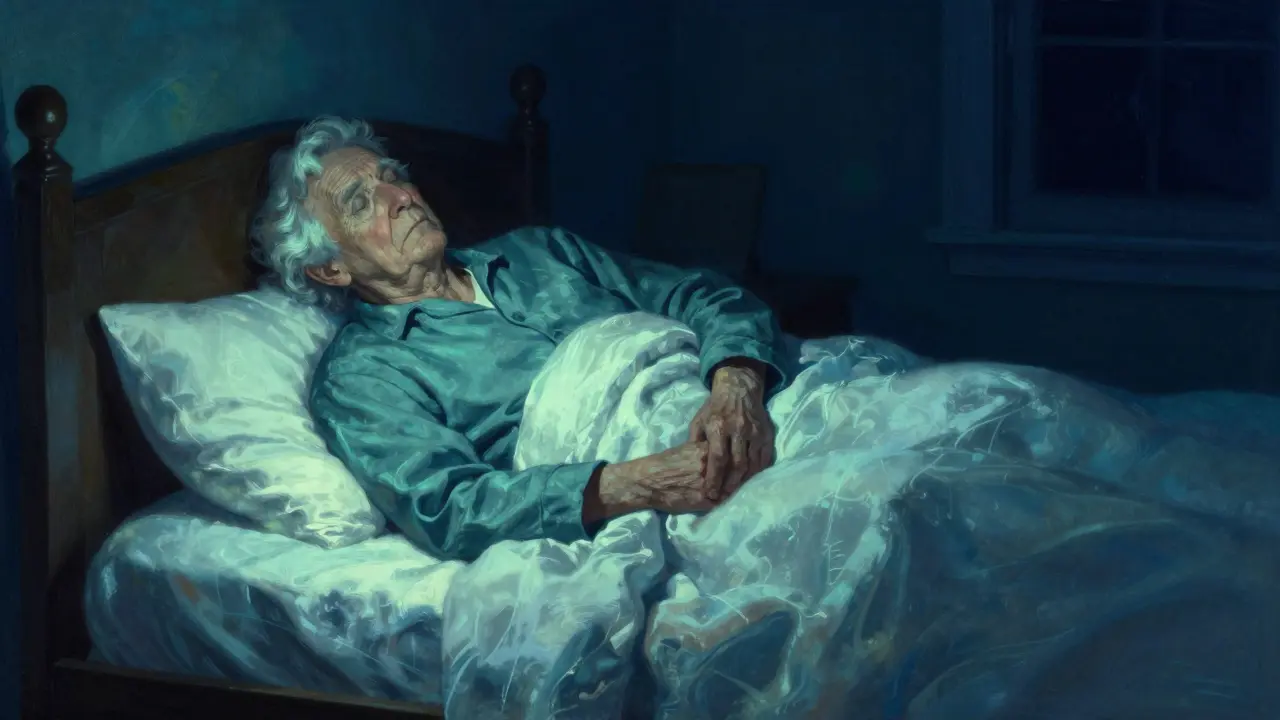
Getting a good night's sleep feels like a luxury when you're older, but for many, it becomes a nightly struggle. About 40-50% of older adults deal with chronic insomnia, and it's tempting to reach for a pill to knock yourself out. However, the way your body processes medicine changes as you age, turning a "helpful" sleep aid into a serious health risk. From midnight falls that lead to hip fractures to a foggy brain the next morning, the stakes are much higher for seniors than for younger adults.
The Hidden Dangers of Common Sleep Pills
Not all sleep aids are created equal, and some are far more dangerous for older adults than others. The Beers Criteria is a clinically recognized list of medications that are potentially inappropriate for older adults due to an increased risk of side effects. According to this standard, Benzodiazepines-drugs like triazolam (Halcion) and flurazepam (Dalmane)-should generally be avoided as a first choice for insomnia.
Why the alarm? Because these drugs linger in the system longer in seniors, which can lead to a 50% increase in fall risk. Even more concerning is the long-term cognitive impact. A 2014 study in the BMJ found that using benzodiazepines for more than six months was linked to an 84% increased risk of developing Alzheimer's disease. When you combine that with the risk of dizziness and confusion, it's clear why doctors are moving away from these older sedatives.
Then there are the "Z-drugs," such as Zolpidem (Ambien). While they were designed to be safer, they still carry a significant punch. The FDA has issued black box warnings for these medications because they can cause complex sleep behaviors-like sleep-walking or sleep-driving-and a 30% higher risk of falls in people over 65.
Comparing Your Sleep Medication Options
If lifestyle changes aren't enough, you might look at pharmacological options. It is crucial to understand the trade-offs between different classes of medication. Some target the brain's GABA receptors (which can cause sedation and dependence), while others mimic natural hormones or block "wakefulness" signals.
| Medication Class | Example | Primary Risk for Seniors | Typical Effect |
|---|---|---|---|
| Benzodiazepines | Flurazepam | High fall risk & dementia link | Strong sedation |
| Z-Drugs | Zolpidem | Next-day impairment, falls | Fast sleep onset |
| Melatonin Agonists | Ramelteon | Low risk; high cost | Natural sleep cycle |
| Orexin Antagonists | Lemborexant | Low postural instability | Blocks wakefulness |
| Low-dose Tricyclics | Doxepin | Minimal side effects (at low dose) | Sleep maintenance |
Safer Pharmacological Alternatives
When medication is absolutely necessary, the goal is to find the lowest effective dose with the fewest "hangover" effects. Doxepin (Silenor) at a very low dose (3-6mg) has shown a positive track record, improving sleep time by nearly 30 minutes without the heavy grogginess associated with Ambien. It focuses more on keeping you asleep rather than just knocking you out.
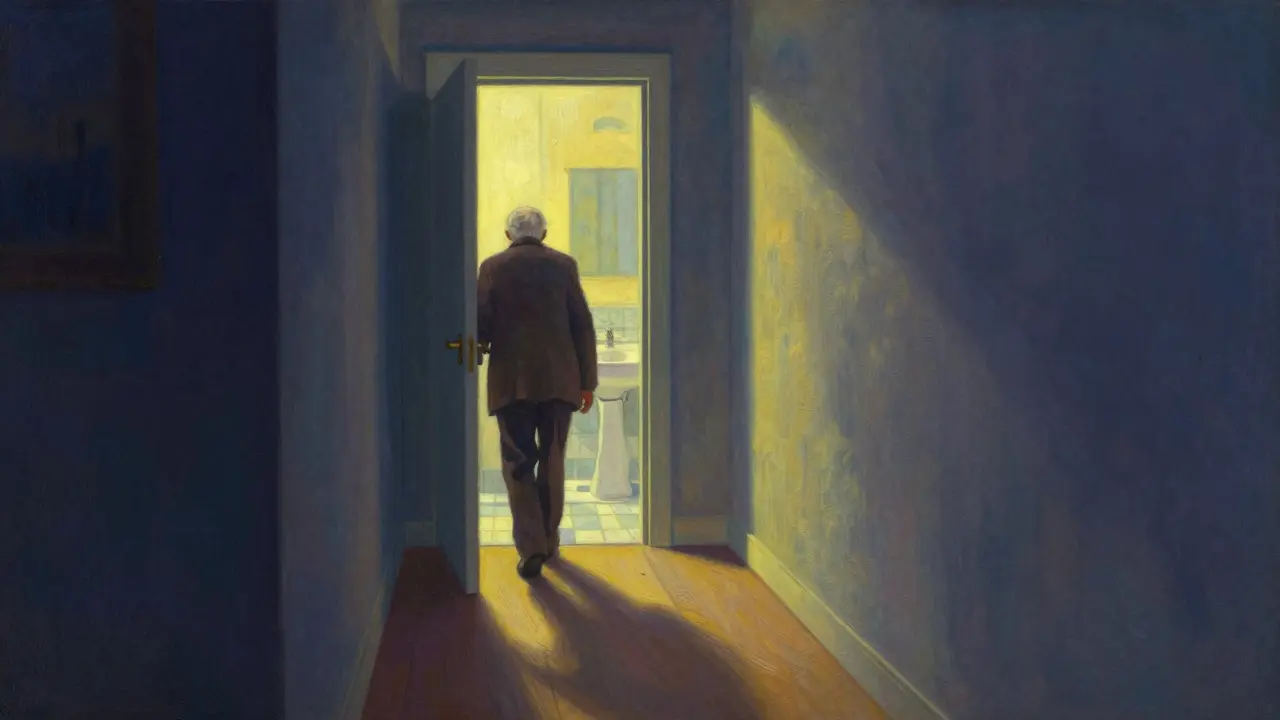
Another modern approach involves Orexin Receptor Antagonists like Lemborexant (Dayvigo). Instead of sedating the whole brain, these drugs essentially turn off the "wake" switch. Research in JAMA Internal Medicine suggests these are much safer regarding balance and stability than Z-drugs, which is a huge win for anyone worried about tripping or falling during a midnight bathroom trip.
For those seeking something closer to a natural process, Ramelteon (Rozerem) targets melatonin receptors. Since it doesn't affect GABA receptors, it doesn't cause the same level of addiction or cognitive clouding, although the price tag can be a barrier for those without comprehensive insurance.
The Gold Standard: CBT-I
Before reaching for a prescription, most sleep experts and the American Academy of Sleep Medicine point to Cognitive Behavioral Therapy for Insomnia (CBT-I) as the first-line treatment. It isn't a pill; it's a structured program that retrains your brain to sleep.
CBT-I typically involves a few core strategies:
- Stimulus Control: Only using the bed for sleep (no reading, TV, or worrying in bed) so your brain associates the mattress with sleep.
- Sleep Restriction: Limiting the time spent in bed to match the actual amount of sleep you're getting, which builds up a "sleep drive."
- Cognitive Restructuring: Challenging the anxiety of "I'll never fall asleep," which often keeps people awake.
- Sleep Hygiene: Fixing the environment-keeping the room cool, dark, and quiet.
The results are often more permanent than medication. A study in JAMA Internal Medicine showed that telehealth-delivered CBT-I had a 57% remission rate for seniors, meaning they didn't just sleep better-they stopped having insomnia altogether.

How to Safely Stop Sleep Medications
If you're already taking a sedative and want to stop, do not quit cold turkey. Stopping benzodiazepines or Z-drugs abruptly can cause rebound insomnia or even dangerous withdrawal symptoms. The STOPP/START criteria recommend a gradual tapering process over 4 to 8 weeks.
Work with your doctor to slowly lower the dose while simultaneously starting a behavioral program like CBT-I. This "bridge" approach ensures that as you remove the chemical crutch, you're replacing it with a sustainable skill. Monitoring during the first month is critical to ensure you don't experience severe sleeplessness that might tempt you to go back to a higher dose.
Practical Tips for Better Sleep Without Pills
Small changes to your daily routine can significantly lower your reliance on sedatives. Try these a-biological hacks:
- Get Morning Sunlight: 15-30 minutes of natural light before noon helps regulate your circadian rhythm.
- Limit Naps: If you must nap, keep it under 30 minutes and before 3 PM. Long afternoon naps steal from your nighttime sleep bank.
- Watch the Fluids: Limit liquids two hours before bed to reduce those disruptive midnight trips to the bathroom.
- Avoid Alcohol: While a "nightcap" might help you fall asleep, it destroys the quality of REM sleep and often leads to waking up at 3 AM.
Why are sleep meds more dangerous for seniors than younger people?
As we age, our liver and kidneys process drugs more slowly, meaning medications stay in the bloodstream longer. This leads to "next-day hangover" effects, increased confusion, and a much higher risk of dizziness and falls.
Is Melatonin safe for older adults?
Generally, yes. Low doses (2-5mg) are often considered a safer starting point than prescription sedatives. However, it is still best to consult a doctor to ensure it doesn't interact with other medications, such as blood thinners.
What is the safest prescription sleep aid?
While "safest" depends on the individual, low-dose doxepin and newer orexin receptor antagonists like lemborexant generally show fewer cognitive and balance-related side effects compared to benzodiazepines or Z-drugs.
Can CBT-I really replace medication?
Yes. Many seniors find that after 6-8 weeks of CBT-I, they can either completely eliminate sleep medication or significantly reduce their dose because they've learned how to manage the psychological and behavioral triggers of insomnia.
What should I do if I'm currently taking Ambien and want to stop?
Contact your healthcare provider to create a tapering schedule. Do not stop suddenly, as this can cause rebound insomnia. A slow reduction over several weeks, combined with sleep hygiene changes, is the safest path.





Write a comment