Blood Pressure Medication Interaction Calculator
Licorice Interaction Risk Assessment
Enter your medication type and licorice consumption to see if you're at risk of dangerous blood pressure interaction.
Many people take licorice root supplements thinking they’re just helping with digestion or soothing a sore throat. But if you’re on blood pressure medication, that little chewy candy or herbal tea could be quietly sabotaging your treatment. It’s not a myth. It’s not a rumor. It’s science-and it’s happening right now to people who have no idea.
What’s Really in Licorice Root?
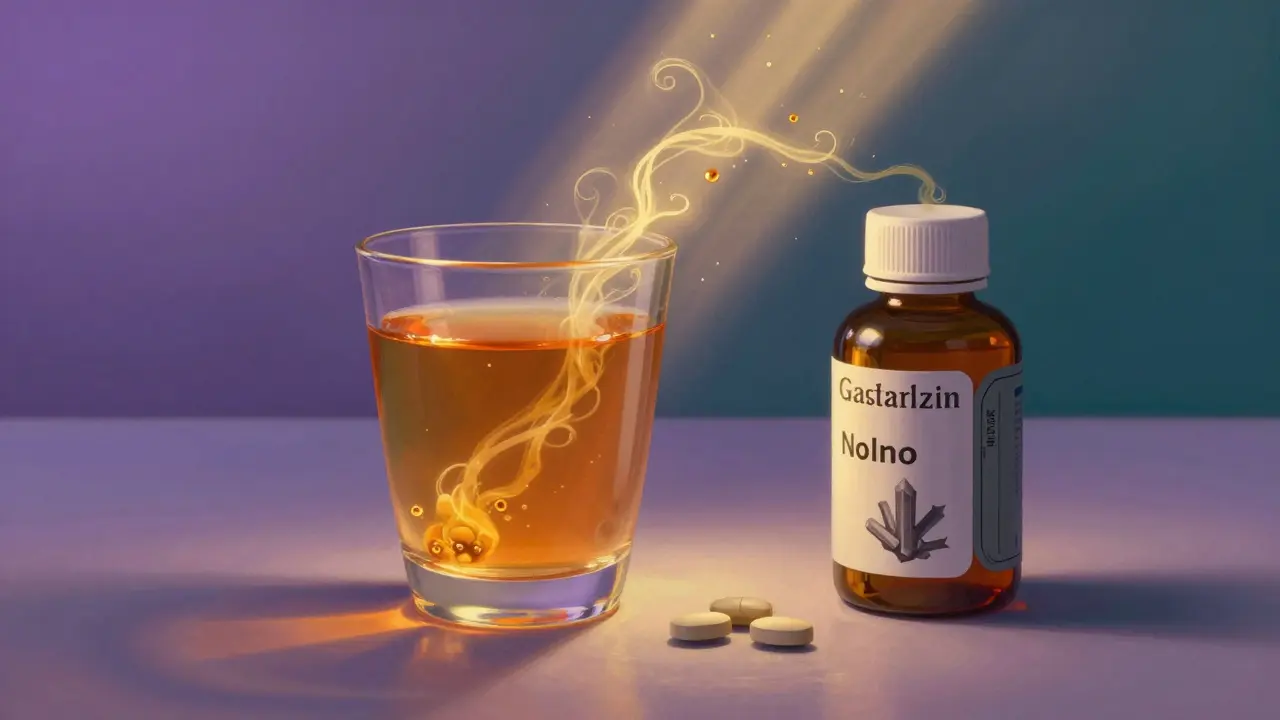
Licorice root comes from the plant Glycyrrhiza glabra, and its sweetness isn’t just for taste. The real culprit is a compound called glycyrrhizin. This substance is about 50 times sweeter than sugar, but it doesn’t just make things taste good-it messes with your body’s salt and water balance in a way that directly fights your blood pressure meds.When you consume licorice root, glycyrrhizin breaks down into glycyrrhetic acid, which blocks an enzyme called 11β-hydroxysteroid dehydrogenase type 2. Normally, this enzyme keeps cortisol (a stress hormone) from acting like aldosterone (a hormone that tells your kidneys to hold onto salt and water). When that enzyme is blocked, cortisol starts behaving like aldosterone. Result? Your body holds onto more sodium, loses potassium, and retains extra fluid. That’s a recipe for higher blood pressure.
How Much Is Too Much?
You don’t need to eat a whole bag of licorice to trigger this. Studies show that consuming more than 100 mg of glycyrrhizin per day for two weeks or longer can start causing problems. That’s roughly 50 grams of real licorice candy-about the size of a small bar. But here’s the catch: not all licorice products are created equal.Some brands contain as little as 2% glycyrrhizin. Others pack in 24%. A 2020 study found that two licorice teas labeled the same way had glycyrrhizin levels that differed by nearly 10 times. And in the U.S., most licorice-flavored candies don’t even contain real licorice root-they use anise oil instead. So if you’re just eating black licorice candy, you might be fine. But if you’re drinking licorice tea, taking herbal capsules, or using a cough syrup with “licorice extract” on the label, you could be in danger.
Which Blood Pressure Medications Are Affected?
It’s not just one type of medication. Licorice root reduces the effectiveness of nearly every major class of antihypertensive drugs:- ACE inhibitors (like lisinopril): Effectiveness drops by 30-50%. Your body holds onto salt, so the drug can’t lower blood pressure properly.
- ARBs (like losartan): Effectiveness decreases by about 25%. The same fluid retention mechanism overrides the drug’s action.
- Calcium channel blockers (like amlodipine): Blood pressure control worsens by 15-20%. Studies show patients needing higher doses after starting licorice.
- Potassium-sparing diuretics (like spironolactone): This is the worst combo. Licorice causes potassium loss, while these drugs try to keep potassium high. They cancel each other out completely-sometimes within 7-10 days.
A 2020 case report described a patient on spironolactone whose blood pressure shot up to 210/115 mmHg after starting licorice tea. He ended up in the ER. That’s not rare. Over 150 such cases have been documented worldwide since the 1960s.
Real People, Real Consequences
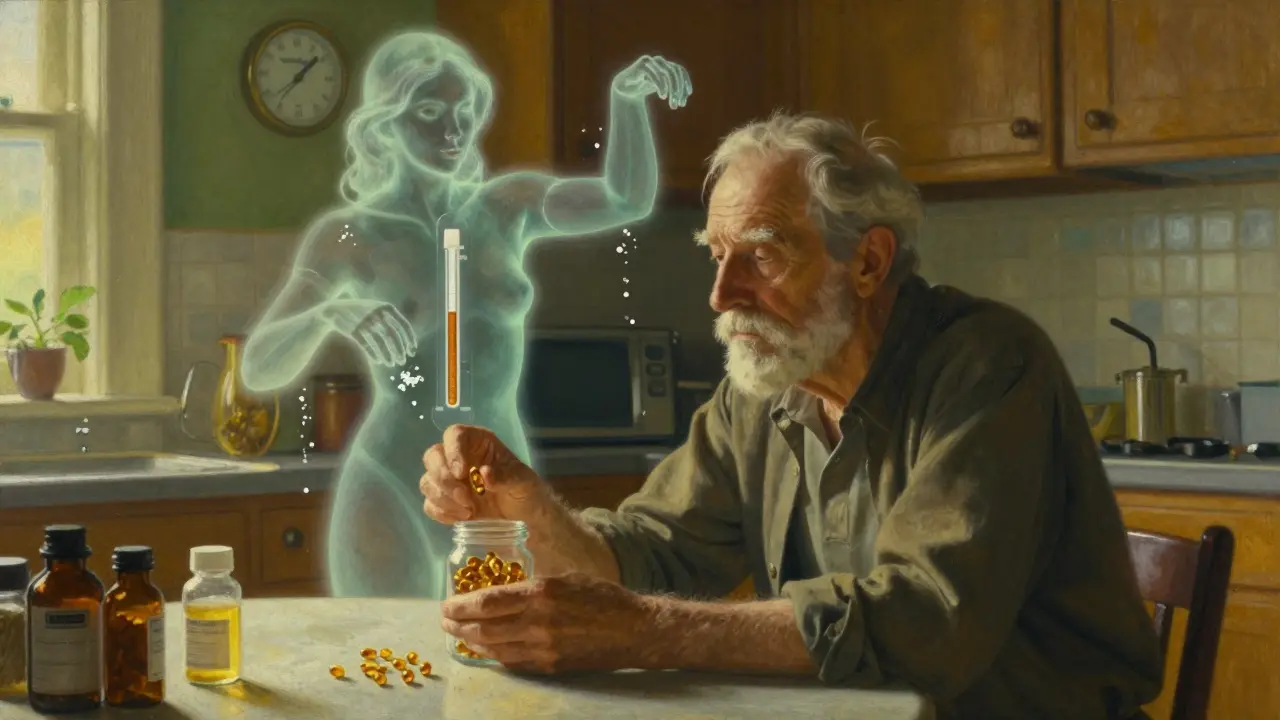
You don’t have to take my word for it. Look at what patients are reporting:- A 68-year-old man on lisinopril saw his blood pressure jump from 130/80 to 185/105 in just 10 days after drinking licorice tea daily.
- A Reddit user on r/HighBloodPressure noticed his systolic pressure climb 22 points after eating licorice candy he thought was “just flavoring.”
- One patient in New Zealand developed panic attacks and dangerously high blood pressure after starting a herbal supplement labeled “licorice root.”
On PatientsLikeMe, 92% of users who reported licorice use while on blood pressure meds said their condition got worse. Seventeen needed emergency care. Only two out of 147 WebMD reviews mentioned any benefit-and both were from people who stopped their meds and switched to licorice. That’s not a cure. That’s a disaster.
Why Do Doctors Miss This?
Many patients don’t think of licorice as a “drug.” They see it as a snack, a tea, or a natural remedy. But it’s a potent bioactive compound with measurable effects on your physiology.Here’s another problem: supplement labels lie. A 2021 survey found only 37% of licorice root supplements in the U.S. warn about blood pressure risks. The European Union requires warning labels if a product contains more than 10 mg of glycyrrhizin per serving. The U.S. does not. And the FDA still classifies licorice as “Generally Recognized As Safe” (GRAS)-but only for flavoring, not for daily medicinal use.
Even pharmacists sometimes don’t know. A 2018 study found that 30% of herbal laxatives and 25% of traditional Chinese medicine formulas contain licorice root. If you’re taking any herbal supplement for digestion, inflammation, or “detox,” check the label. It might be hiding in plain sight.
What Should You Do?
If you’re on blood pressure medication, here’s what you need to do:- Check every product label. Look for “Glycyrrhiza glabra,” “licorice root,” or “licorice extract.” If you see “anise oil,” “fennel,” or “natural flavor,” you’re likely safe.
- Avoid all licorice supplements. Even “daily doses” of 5-10 grams of root can be risky over time.
- Ask your pharmacist. They can check your herbal products and cough syrups for hidden licorice.
- Get your potassium checked. If you’ve been consuming licorice, your potassium may have dropped below 3.0 mmol/L (normal is 3.5-5.0). Low potassium can cause muscle weakness, irregular heartbeat, and even cardiac arrest.
- Switch to DGL. Deglycyrrhizinated licorice (DGL) removes the glycyrrhizin. It’s safe for stomach issues and won’t interfere with your meds.
There’s no safe amount of real licorice root if you’re on blood pressure medication. The American Heart Association says: avoid it entirely. The Merck Manual calls it a “known risk.” The evidence isn’t just strong-it’s overwhelming.
What About Natural Remedies?
Some people turn to licorice root because they think “natural” means “safe.” But natural doesn’t mean harmless. Willow bark is natural, but it’s aspirin. Foxglove is natural, but it’s digitalis. Licorice root is a powerful pharmacological agent. It’s not a tea you can sip casually while on medication.If you want natural ways to support blood pressure, focus on proven options: reducing sodium, eating more potassium-rich foods like bananas and spinach, walking daily, and managing stress. Those don’t come with hidden ingredients or unpredictable interactions.
What’s Changing?
There’s hope. The FDA proposed the Dietary Supplement Listing Act of 2023, which would require manufacturers to list active compound levels-including glycyrrhizin-on supplement labels. If passed, this could finally make it easier for patients and doctors to spot dangerous products.For now, though, the burden is on you. Don’t assume a product is safe because it’s labeled “herbal,” “natural,” or “traditional.” Always read the fine print. Your blood pressure-and your health-depend on it.



Comments
bharath vinay
23 December 2025This is just another FDA scare tactic wrapped in pseudoscience. Licorice has been used for thousands of years in Ayurveda and TCM. If your blood pressure meds are that fragile, maybe you should be on fewer drugs, not blaming a plant. The real conspiracy? Pharma wants you dependent on pills that cost $200 a month while natural remedies are unpatentable.
They banned ephedra but let Big Pharma keep selling beta-blockers that cause depression and erectile dysfunction. Who’s really putting people at risk?
And don’t even get me started on how they classify ‘natural flavor’ as safe but glycyrrhizin as dangerous. That’s not science. That’s corporate lobbying.
Usha Sundar
24 December 2025I drank licorice tea for months and didn’t notice anything. Then my BP spiked. Turned out I had a hidden kidney issue. The tea didn’t cause it. It just exposed it.
Don’t blame the herb. Blame the silence.
claire davies
25 December 2025As someone who grew up in the UK drinking liquorice allsorts and then moved to the US and started using licorice root tinctures for IBS, I can say this: the difference between candy and herbal extract is night and day.
My British grandma would eat a whole bag of candy and be fine. But when I started taking 1g of dried root daily for ‘digestive support’ (because a wellness influencer said so), my ankles swelled like balloons and my heart started doing the cha-cha.
It’s not that licorice is evil-it’s that we treat it like a harmless snack when it’s actually a potent endocrine disruptor. And honestly? We need way more labeling transparency, especially with supplements. The ‘natural’ label is a minefield.
Also, DGL is a lifesaver if you want the soothing effect without the blood pressure chaos. Just make sure it says ‘deglycyrrhizinated’ on the bottle. If it doesn’t, walk away.
And yes, I’ve told three friends to stop their licorice tea after seeing them get dizzy and weak. This isn’t fearmongering. It’s harm reduction.
Harsh Khandelwal
26 December 2025So let me get this straight. You’re telling me my favorite herbal cough syrup is secretly a hypertension bomb? And no one told me? I’ve been taking that stuff for years.
Also, why is this even a thing? Why don’t pharmacies just put big red warnings on every bottle? This feels like someone’s doing a slow burn on public health.
Andy Grace
27 December 2025I’ve been on lisinopril for 8 years. Never knew about this until my pharmacist flagged my supplement stack last month. I was taking licorice root for ‘stress relief.’ Turns out, my BP had been creeping up because of it.
Switched to DGL. My numbers dropped 15 points in three weeks. No drama. Just science.
Don’t assume ‘natural’ means ‘safe.’ It just means it’s not patented.
Abby Polhill
29 December 2025From a pharmacovigilance standpoint, this is textbook herb-drug interaction territory. Glycyrrhizin’s inhibition of 11β-HSD2 is well-documented in endocrinology literature-this isn’t new. The issue is the lack of standardized dosing in OTC products and zero mandatory disclosure in the US.
Compare that to the EU’s 10mg glycyrrhizin threshold with mandatory labeling. We’re operating in a regulatory vacuum. And patients are the collateral damage.
Also, the fact that 92% of PatientsLikeMe users reported worsening symptoms? That’s not anecdotal. That’s signal detection.
Austin LeBlanc
31 December 2025Wow. You people are so paranoid. My uncle in India takes licorice root every day with his chai. He’s 84 and still hikes. Your meds are weak. You’re the problem, not the herb.
And why are you so obsessed with ‘natural’? Everything’s chemical. Even water. Stop being scared of plants.
Also, if you’re on spironolactone and drinking tea, you’re already doing it wrong.
niharika hardikar
1 January 2026While the clinical evidence regarding glycyrrhizin-mediated pseudohyperaldosteronism is robust, the current discourse lacks appropriate contextualization within the broader framework of polypharmacy risk stratification.
It is neither scientifically rigorous nor ethically defensible to conflate dietary consumption of confectionery-grade anise-flavored products with the pharmacological administration of standardized herbal extracts containing bioactive concentrations of glycyrrhizin.
Furthermore, the conflation of regulatory jurisdictions between the FDA’s GRAS designation for flavoring agents and the pharmacological use of botanicals as therapeutic agents represents a critical epistemological flaw in public health communication.
Prudent clinical practice demands differential risk assessment based on dosage, duration, and bioavailability-not blanket avoidance.
Rachel Cericola
2 January 2026Let me be crystal clear: if you’re on any blood pressure medication and you’re consuming licorice root in any form-tea, capsules, syrup, tincture, or even ‘natural’ cough drops-you are risking your life.
I’ve seen this in my practice. A 58-year-old woman on amlodipine and lisinopril started drinking licorice tea for ‘gut health’ because her yoga instructor said it was ‘anti-inflammatory.’ Within three weeks, she had atrial fibrillation, potassium of 2.7, and ended up in the ICU.
It’s not ‘maybe.’ It’s not ‘some people.’ It’s a documented, predictable, preventable disaster.
And here’s the kicker: DGL is not just ‘an alternative.’ It’s the only safe version. It removes the glycyrrhizin entirely while keeping the mucilage that soothes the gut. You don’t have to choose between healing and hypertension.
Check your labels. Ask your pharmacist. Don’t trust ‘natural’ on the front of the bottle. Look for Glycyrrhiza glabra on the ingredients. If it’s there, put it down.
I don’t care if it’s ‘traditional’ or ‘organic’ or ‘hand-harvested.’ If it contains glycyrrhizin and you’re on meds, it’s not safe.
And if you’re a practitioner who hasn’t asked your patient about herbal supplements? You’re not doing your job.
This isn’t hype. It’s clinical reality. And people are dying because we’re too polite to say ‘stop.’
siddharth tiwari
3 January 2026licorice root is fine but the real danger is the pharma industry pushing drugs that make you dependent and then blaming herbs when you get sick. they dont want you healthy they want you buying pills. also i think the fda is in on it. my cousin in delhi takes it daily and his bp is perfect. you guys are brainwashed.
also i think the study numbers are fake. why would they lie? because they want you scared. its all a scam.
Bartholomew Henry Allen
3 January 2026Regulatory failure. American consumer protection is a joke. The FDA has no authority over herbal supplements. This is not a medical issue. It is a legal and cultural failure.
Stop blaming the herb. Blame the system that allows unregulated dangerous substances to be sold as ‘natural remedies.’
Fix the law. Not the tea.
bharath vinay
5 January 2026And now the FDA wants to regulate supplement labels? After 50 years of letting Big Pharma silence every natural alternative? Don’t believe it. This is a distraction. They’ll water it down until it’s meaningless. Just like the sugar warning labels that took 30 years to even appear on soda.
They don’t want you informed. They want you compliant.